Tracing Regional Regulations Impacting Reel Machine Accessibility Across International Platforms
Clara Jung · Sep 26, 2026
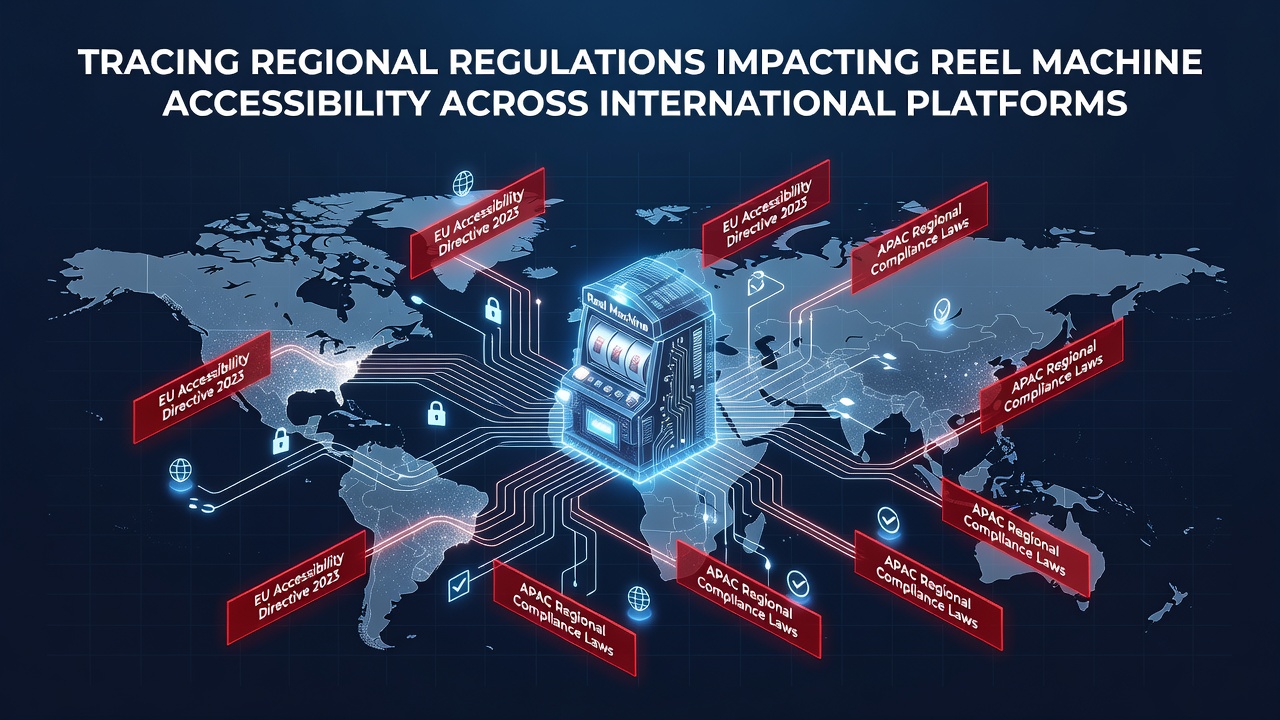
Tracing Regional Regulations Impacting Reel Machine Accessibility Across International Platforms
Regional regulations shape how reel machines reach players on international platforms and operators must navigate distinct legal landscapes that differ sharply by jurisdiction. Data from multiple oversight bodies shows that accessibility often hinges on licensing requirements, age verification standards, and restrictions on cross-border data flows rather than uniform global rules.
North American Regulatory Patterns
Canadian provinces maintain separate frameworks that affect reel machine availability on digital platforms and observers note that Ontario's regulated market requires specific operator certifications while other provinces limit or prohibit online access entirely. In the United States, state-level oversight creates a patchwork where certain jurisdictions permit licensed online reel machine play whereas others enforce strict prohibitions on interactive gambling. Figures from the National Conference of State Legislatures reveal that as of mid-2026, thirteen states had authorized some form of online gaming that includes reel machines while the remainder continue to block such offerings through legacy statutes.
Those tracking enforcement actions point out that federal statutes like the Wire Act still influence platform operations even as states carve out exceptions and this dynamic forces international sites to implement geo-blocking tools that prevent users from restricted areas from accessing games.
European Market Variations
European nations apply differing approaches that directly impact reel machine accessibility on multinational platforms and several countries require local server hosting or partnership with domestic licensees. Malta and Sweden maintain established licensing systems that allow compliant operators to offer reel machines across borders under mutual recognition principles whereas others impose tighter controls on advertising and player fund segregation. Research from the European Gaming and Betting Association indicates that compliance costs have risen steadily since 2023 as more member states introduce mandatory responsible gaming features that must appear on every reel machine interface.
Platforms serving the region often segment their offerings by user location to satisfy these layered requirements and failure to do so can result in license revocation or fines that reach millions of euros.
Asia-Pacific Developments
Australian federal law under the Interactive Gambling Act continues to shape reel machine access on international sites and authorities there have stepped up monitoring of offshore operators that target Australian residents. Data released by the Australian Communications and Media Authority shows increased takedown notices issued to non-compliant platforms throughout 2025 and into September 2026. In contrast, several Southeast Asian markets have begun exploring regulated online gaming pilots that could expand reel machine availability under strict government supervision.
Operators active in this region report that they must maintain separate user databases and payment processors to meet data localization rules that prevent seamless global access.
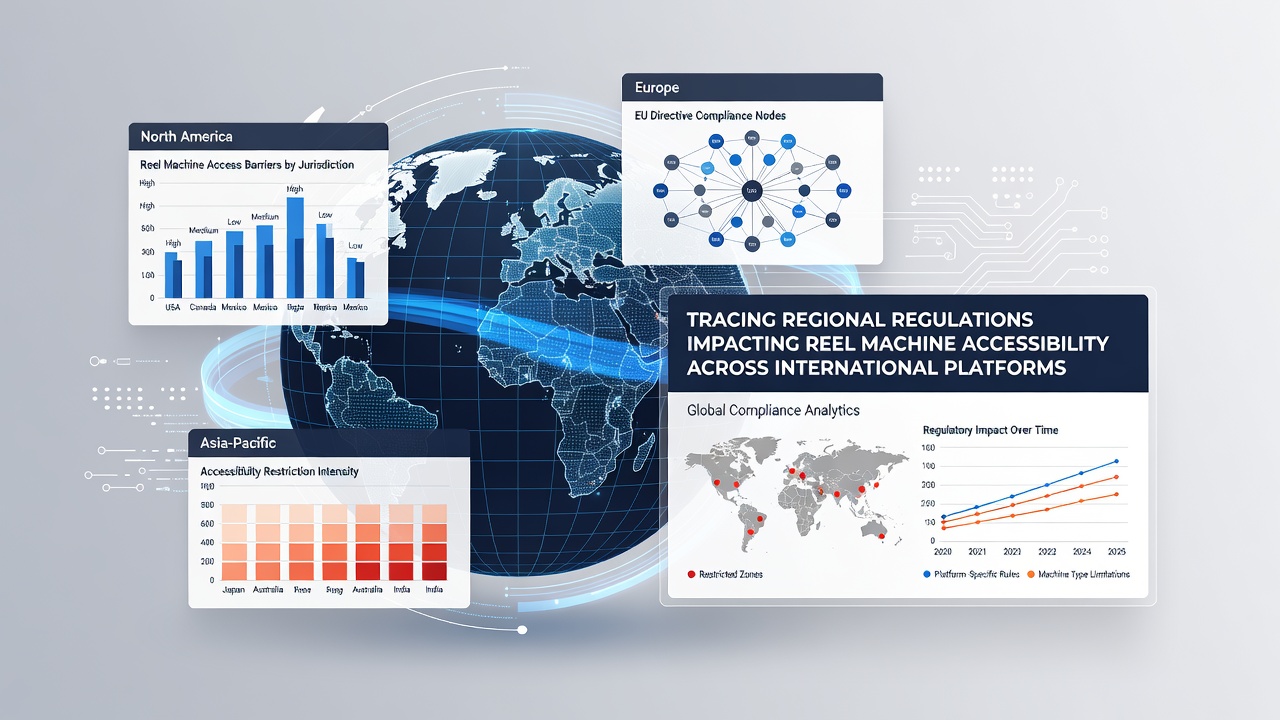
Technical and Operational Implications
International platforms respond to these regulatory differences by deploying sophisticated geo-location and age-verification systems that restrict reel machine play based on user IP address and submitted documentation. Experts at research institutions tracking the sector note that such measures have become standard since 2024 as enforcement actions against non-compliant sites have increased across multiple continents. Payment processing also faces scrutiny because many jurisdictions prohibit certain transaction methods for gambling-related transfers and this forces platforms to partner with specialized providers approved in each target market.
Case studies from operators who expanded into new regions demonstrate that early investment in localized compliance teams reduces the risk of service interruptions when new rules take effect.
September 2026 Updates and Ongoing Trends
Regulatory announcements scheduled for September 2026 include proposed amendments in several Canadian provinces that could further clarify online reel machine licensing criteria while similar reviews continue in parts of Australia. Industry reports compiled by university research centers show that platforms capable of rapid adaptation to these changes maintain higher user retention rates in permitted markets. Observers tracking cross-border data agreements highlight that negotiations between regulatory bodies in different regions may eventually lead to streamlined verification processes although current timelines remain uncertain.
Conclusion
Regional regulations continue to determine reel machine accessibility on international platforms through a combination of licensing, technical controls, and enforcement priorities that vary by location. Organizations operating in this space must maintain ongoing monitoring of legislative developments to sustain compliant operations across multiple jurisdictions and the pattern of localized rules shows no sign of converging into a single global standard in the near term.